Shore After | 2025-2026
“Shore After” is an artistic exploration of landscape in the Anthropocene, approaching ecology not as a separate subject but as a condition of coexistence between humans and their environment.
The project was developed through an ongoing engagement with the ideas of Timothy Morton and his concept of dark ecology, where the boundaries between the natural and the technological dissolve, and the human is no longer understood as an external observer or controlling subject. Instead, a state of entanglement entanglement—complex, at times uncomfortable, yet unavoidable.
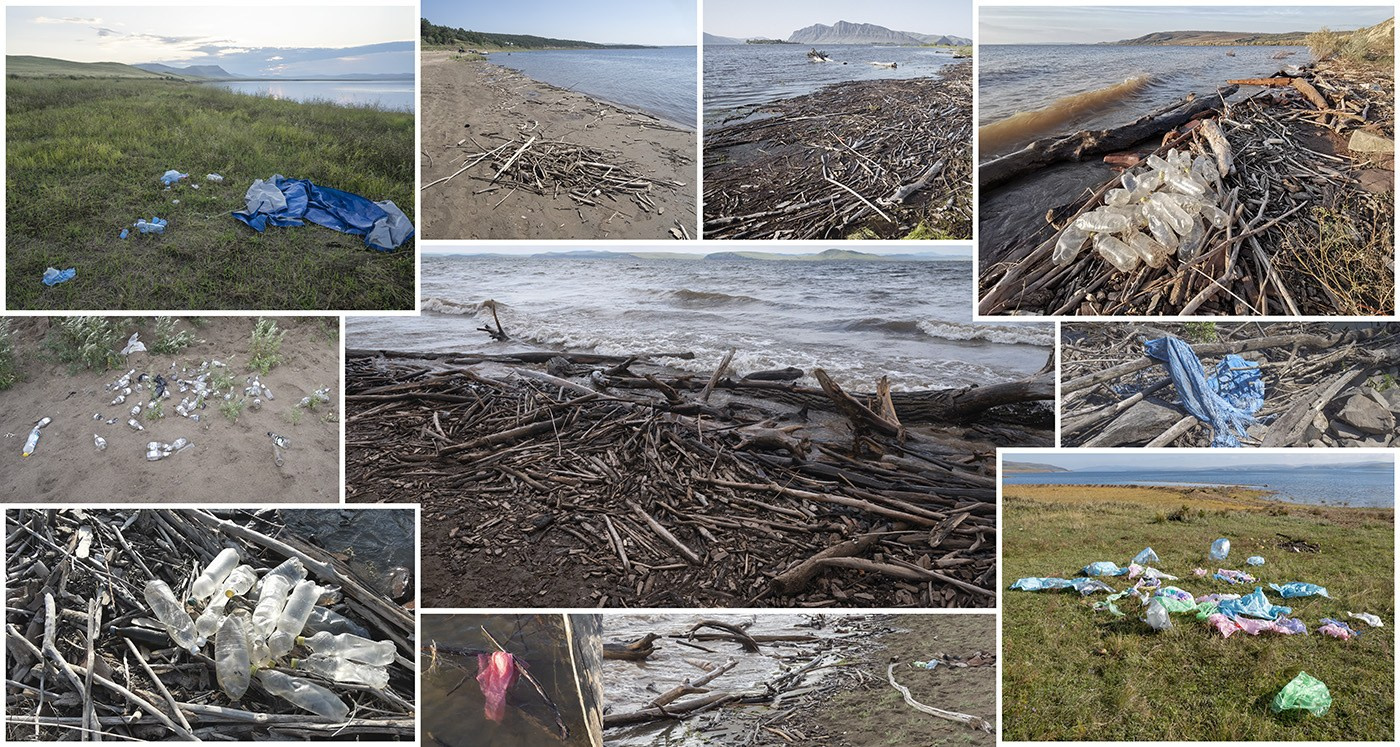
The project took place along the banks of the Yenisei River in southern Krasnoyarsk Krai. Over three months, we kept returning to the river, working along different stretches of its shoreline. Each trip involved traveling hundreds of kilometers and living in a tent by the water. Over time, this led to a sustained and attentive engagement with the landscape.
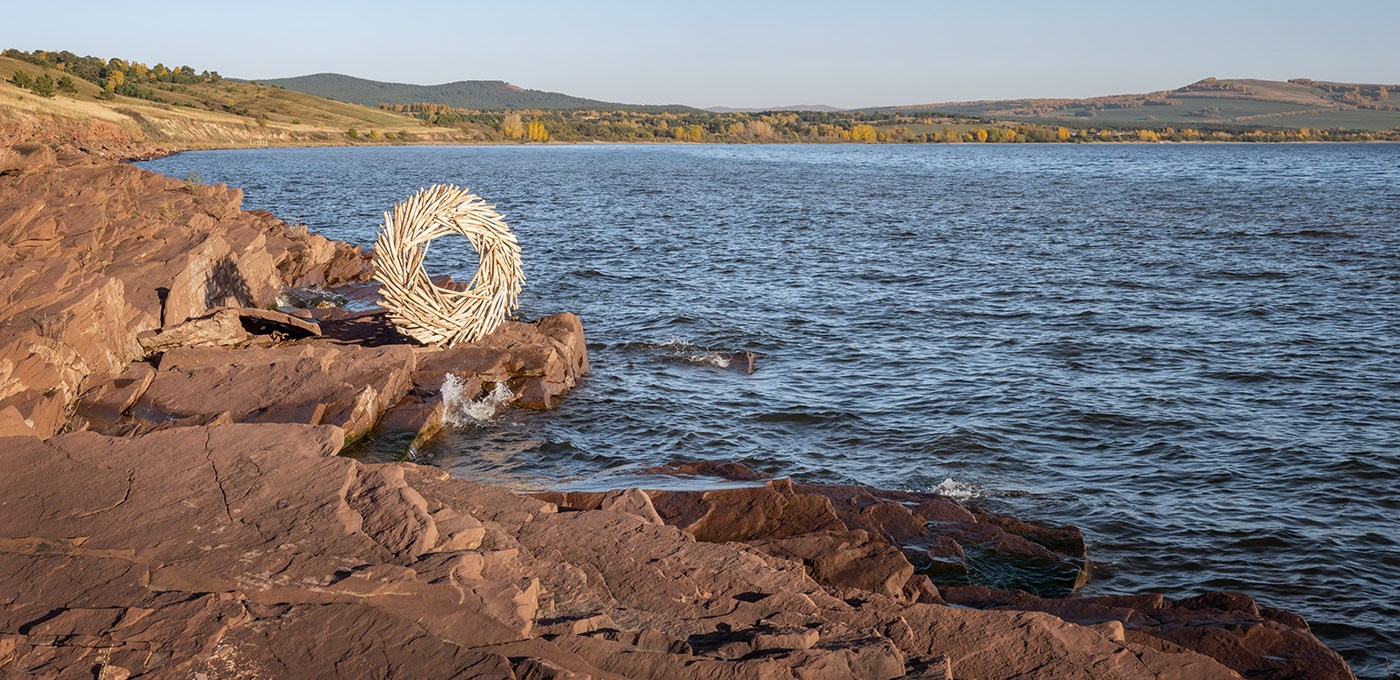
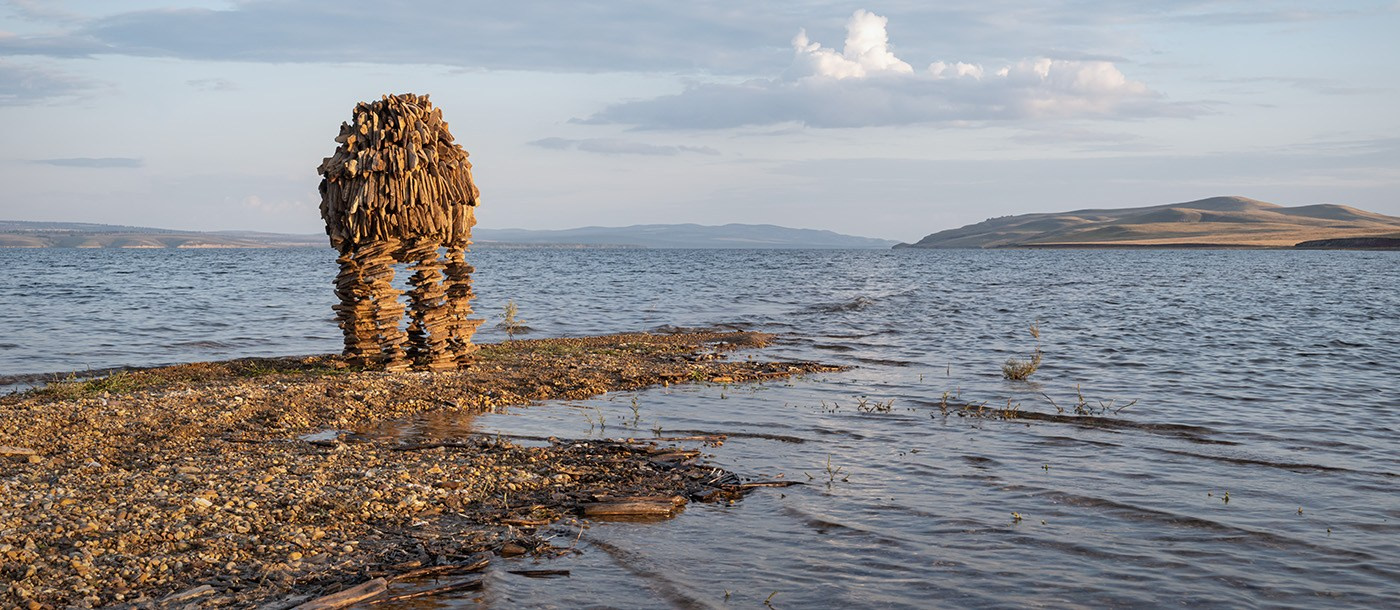
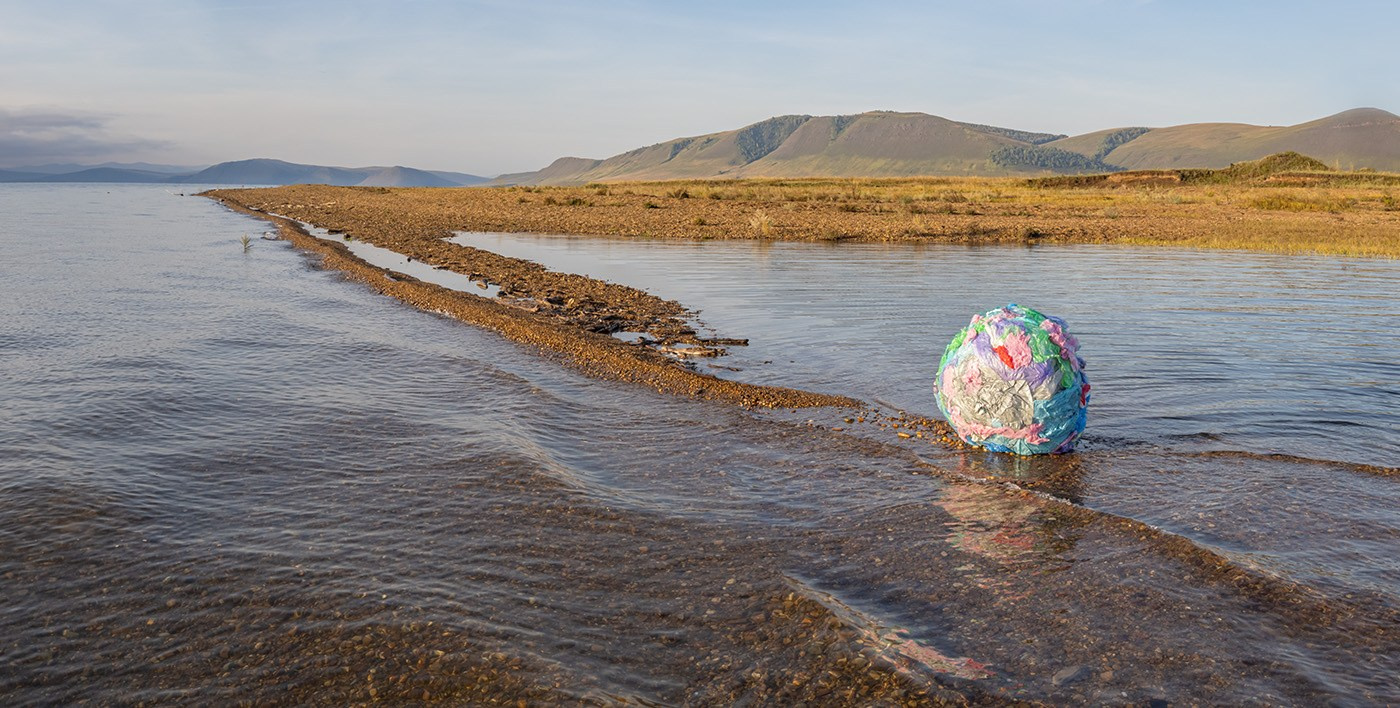
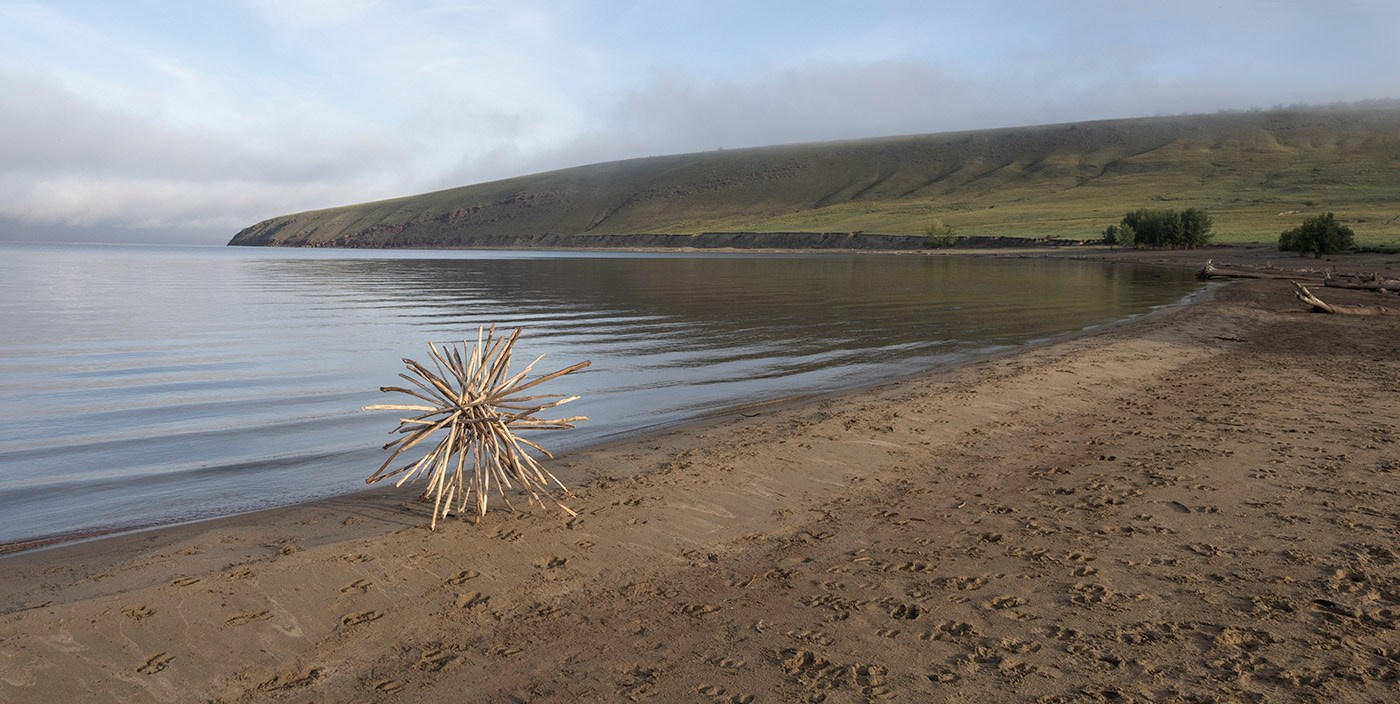
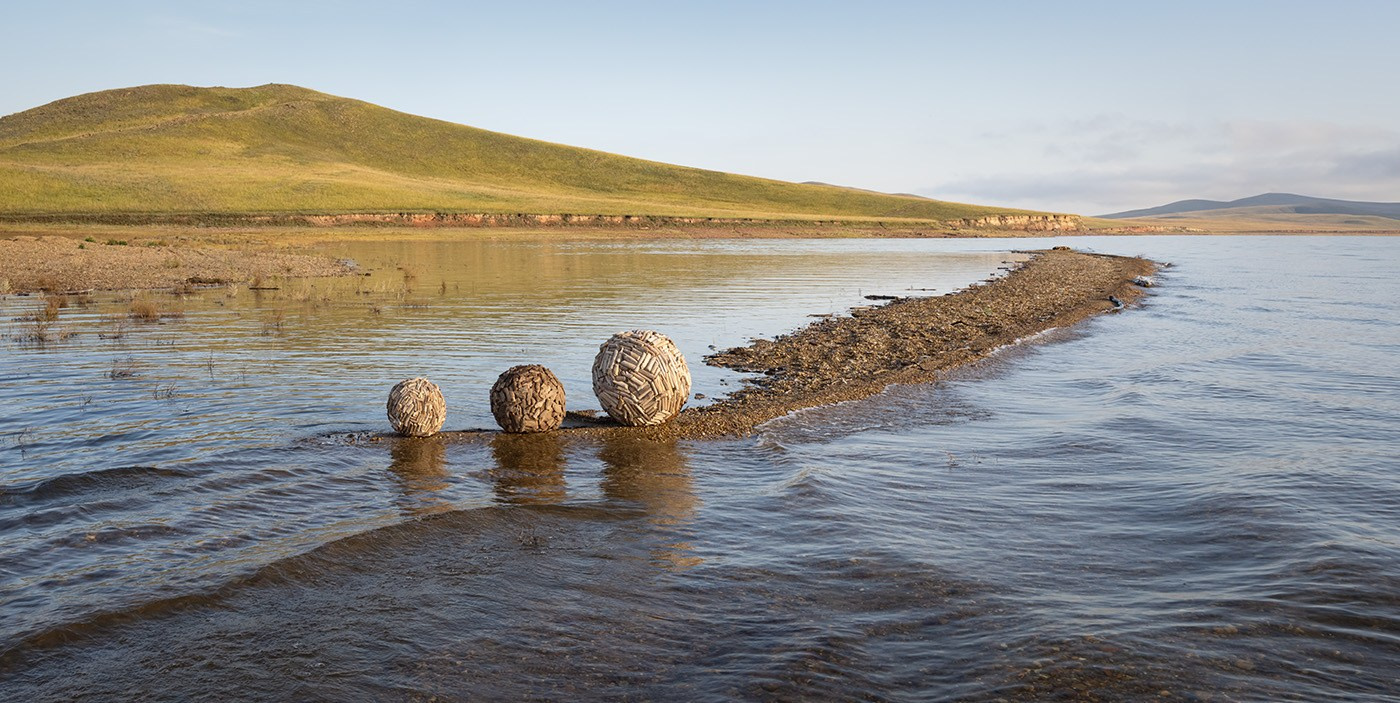
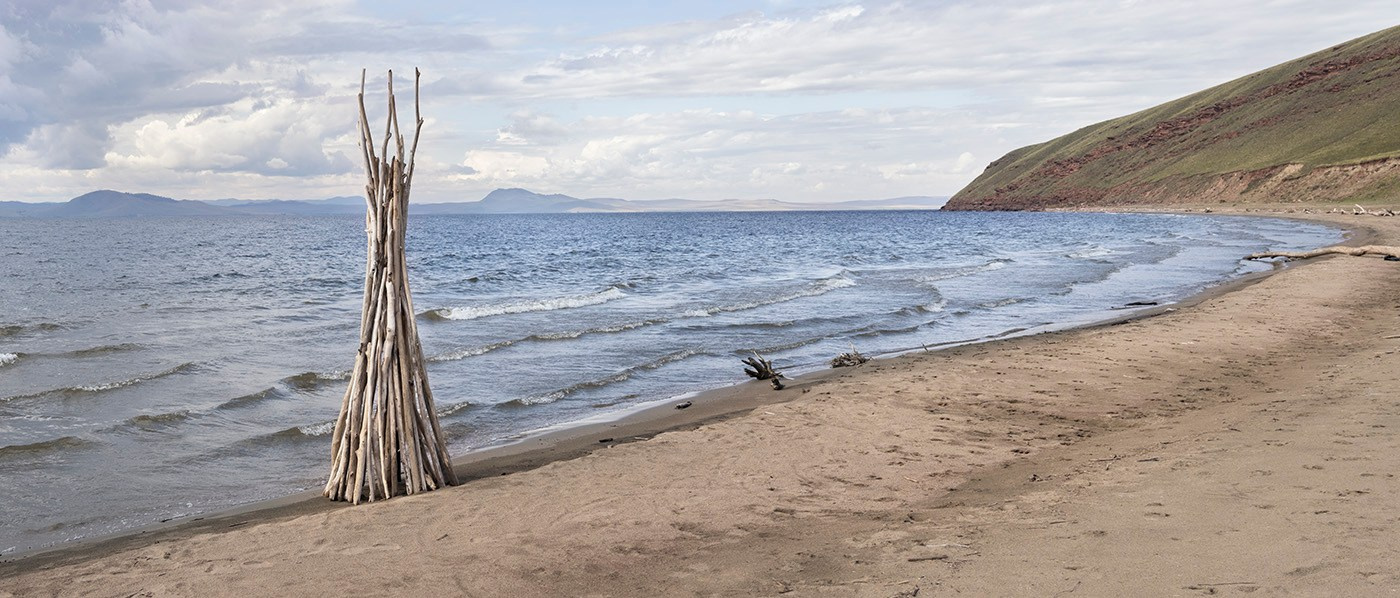
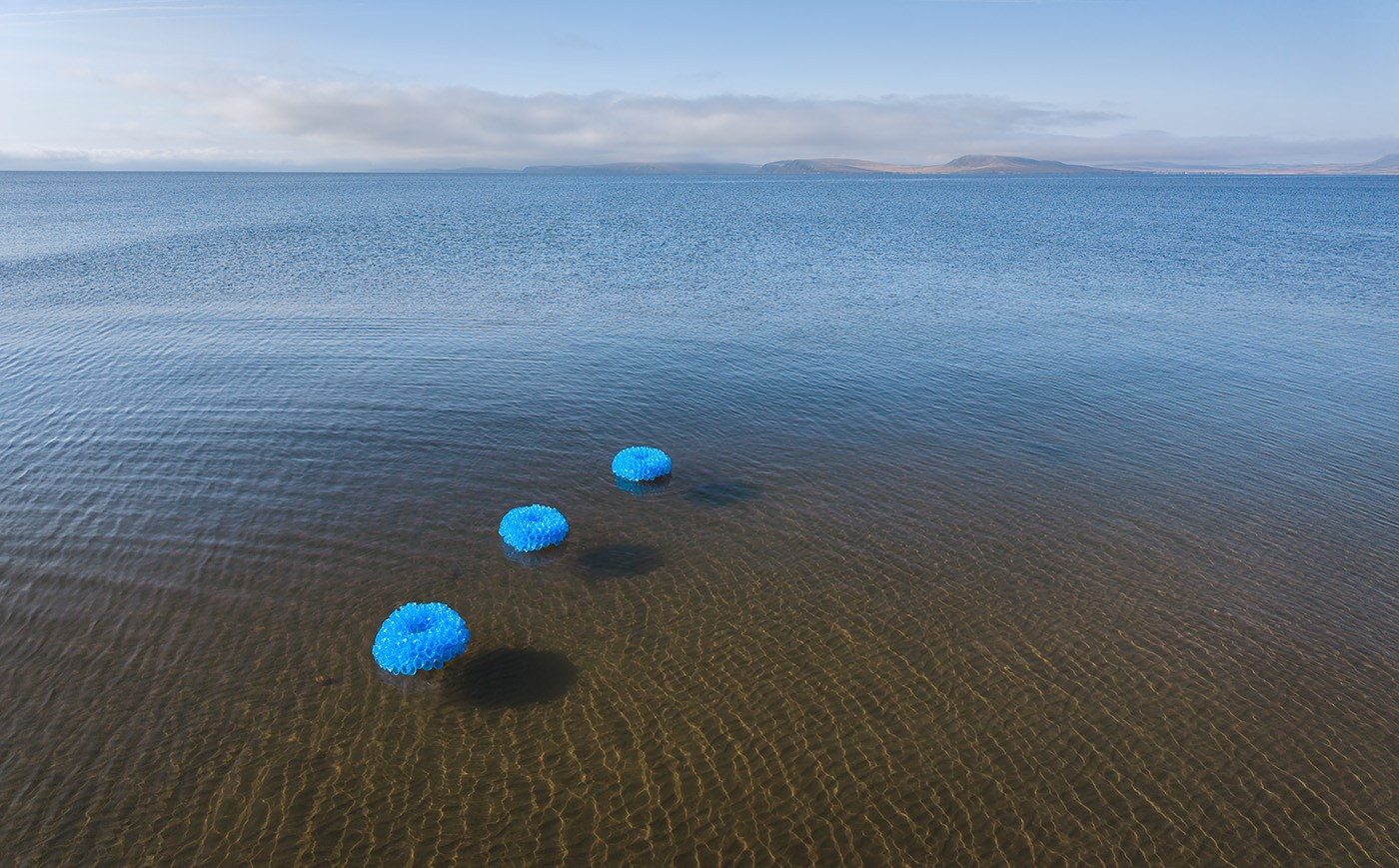
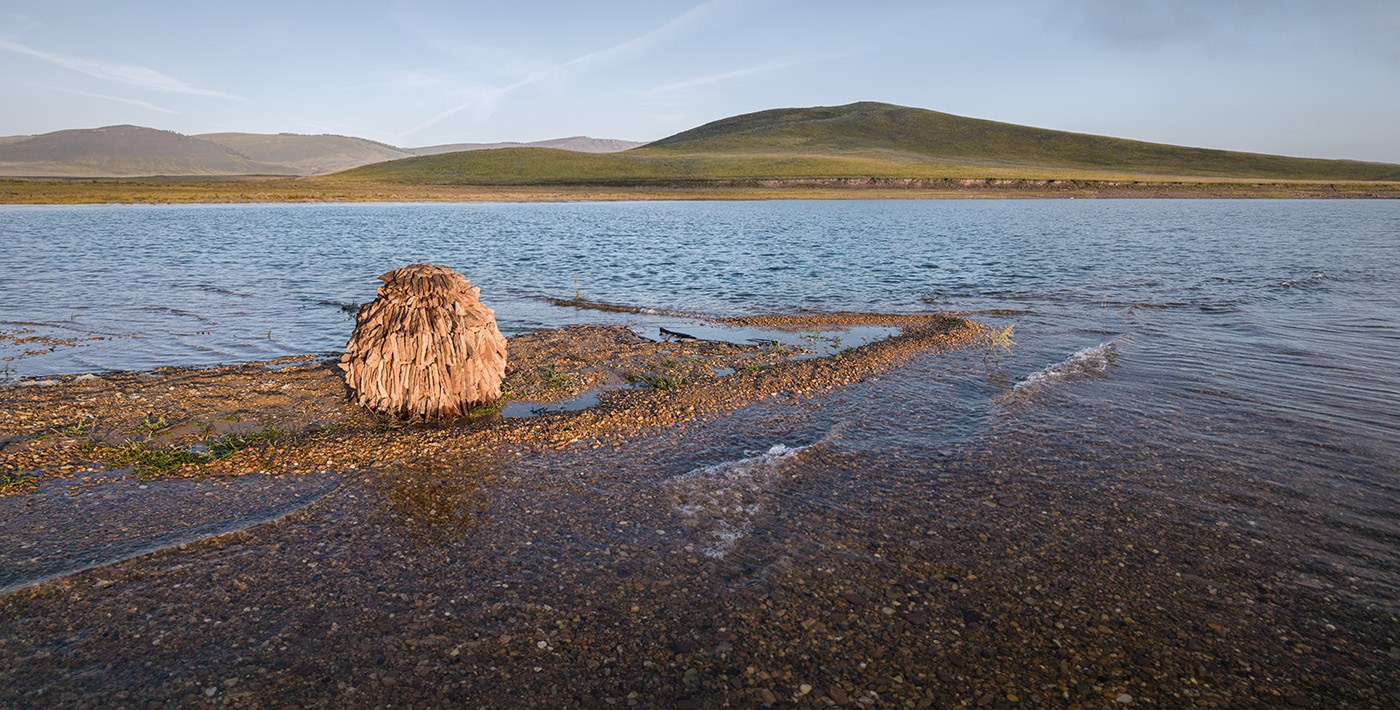
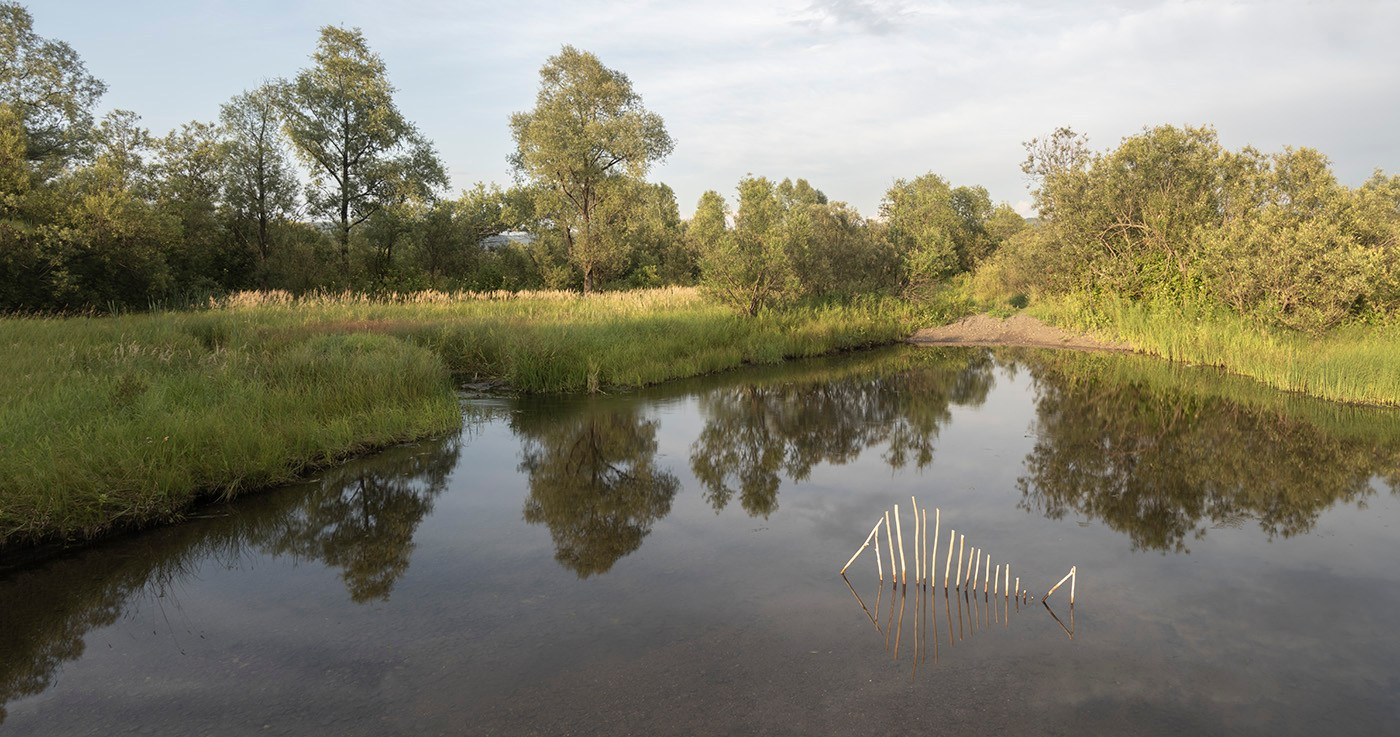
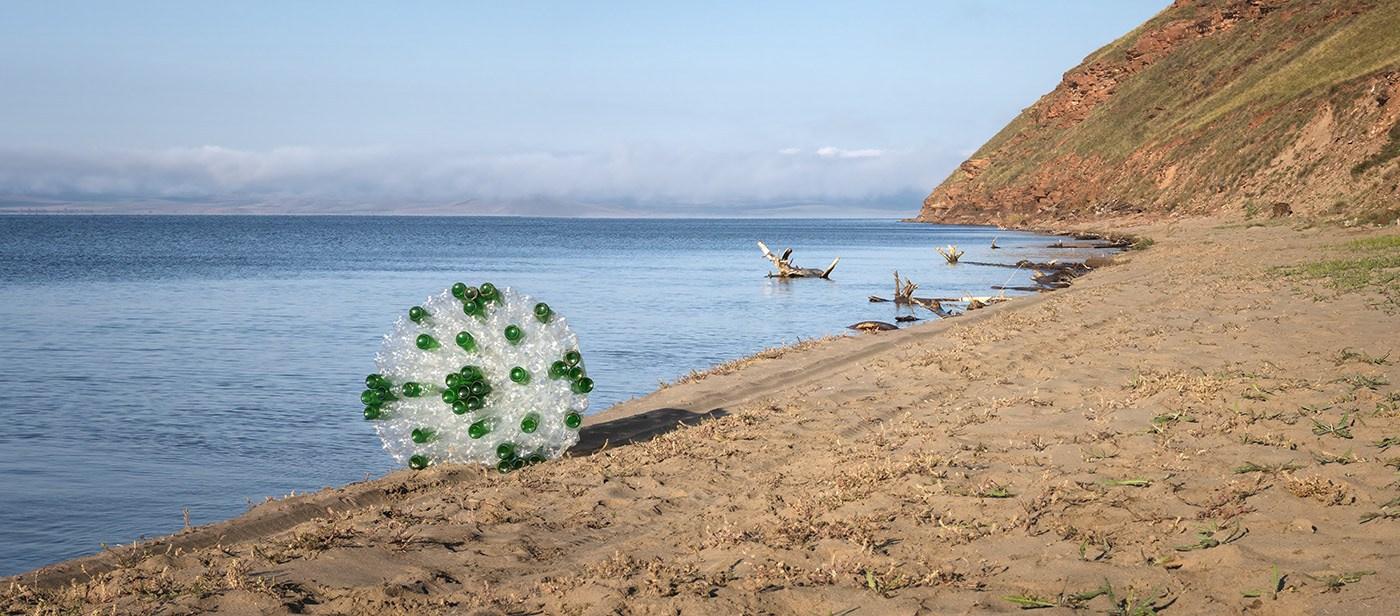
We gathered traces of human presence: driftwood and bark left after the construction of a hydroelectric dam and the flooding of surrounding areas, as well as polyethylene, plastic, and glass. This was not about cleaning or restoration, but about engaging with materials that had already become part of the landscape.
The collected materials were cleaned, dried, and assembled into temporary installations. These structures were not intended to be stable or permanent. The wood disappeared into tourists’ campfires, while the plastic and glass were sent for recycling. The riverbank continued to exist without us and alongside us.
This engagement with found materials did not end on site. The focus then shifted to a bodily scale. A series of wearable objects, driftwood jewelry, was created as fragments of the landscape.
In this gesture, ecology is no longer abstract but becomes a material experience. It touches the body, enters everyday life, and sustains a sense of ongoing interconnectedness.
“Shore After” does not propose a narrative of rescue, nor does it aim for resolution. Instead, it holds a state of co-presence, a condition in which humans recognize themselves as part of a heterogeneous, shifting, and not fully controllable environment.